Surgeries for Trigger Finger
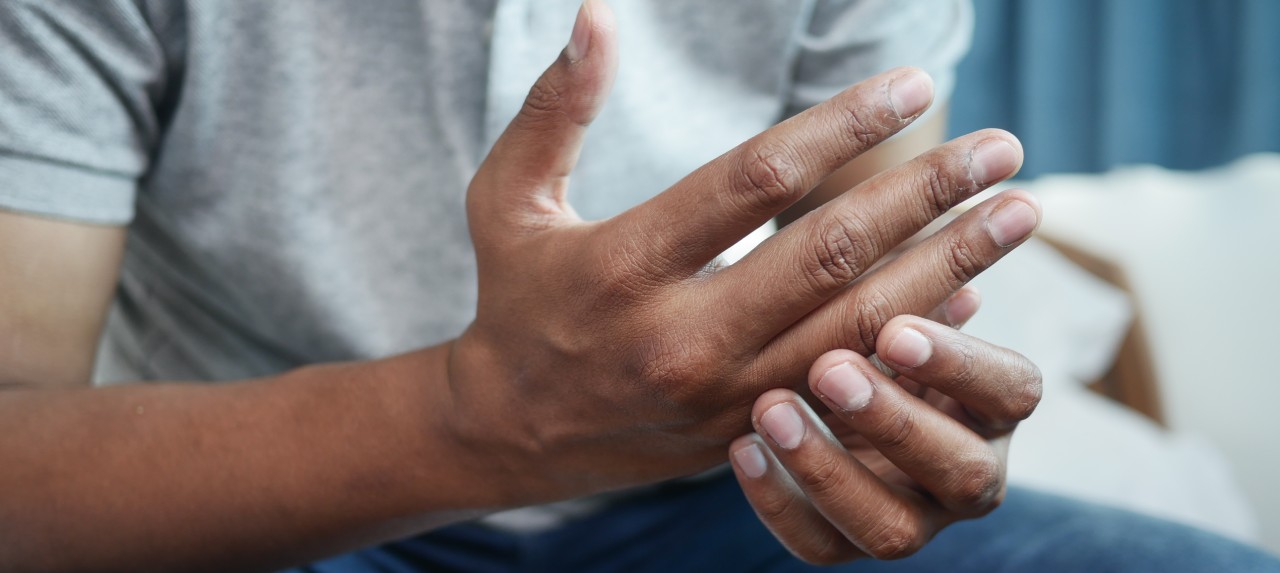
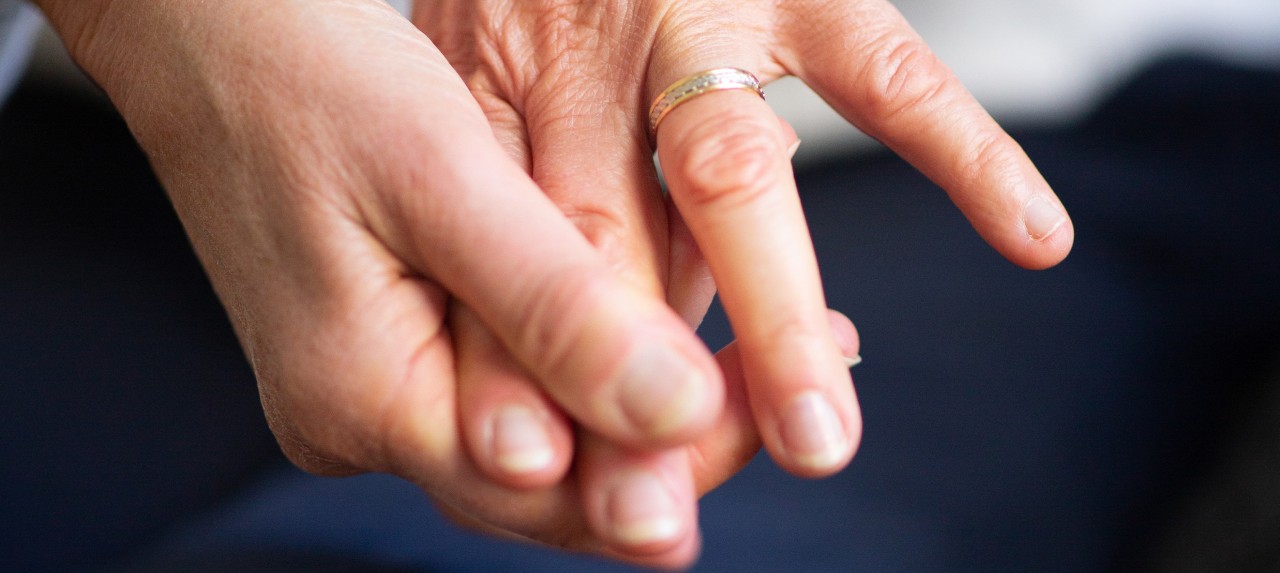
Trigger finger is a condition that affects the tendons in the fingers or thumb, leading to pain, stiffness, and a sensation of locking or catching when the finger is bent and straightened. Surgery options include:
Open Trigger Finger Release Surgery: Performed under local anaesthesia, involving a small incision in the palm or finger to cut open the constricted tendon sheath.
Percutaneous Trigger Finger Release: A needle-like instrument is used to break apart the constricted tendon sheath.
Endoscopic Trigger Finger Release: A small camera (endoscope) is used to guide the surgery, offering fast recovery and minimal scarring.
Ultrasound-Guided Trigger Finger Release: Employs real-time ultrasound imaging to precisely identify and release the constricted section of the tendon sheath.
Paediatric Trigger Finger Release: This is performed on children and involves surgical techniques similar to those used in adults.
Immediate Post-surgery Care
Immediate post-operative care is important for a smooth recovery after surgery, to minimise the risk of complications. Patients are usually discharged on the same day, and care begins immediately.
Pain Management: Pain and discomfort can be managed with prescribed or over-the-counter pain relief medications. Following the surgeon’s instructions regarding dosage and frequency is essential.
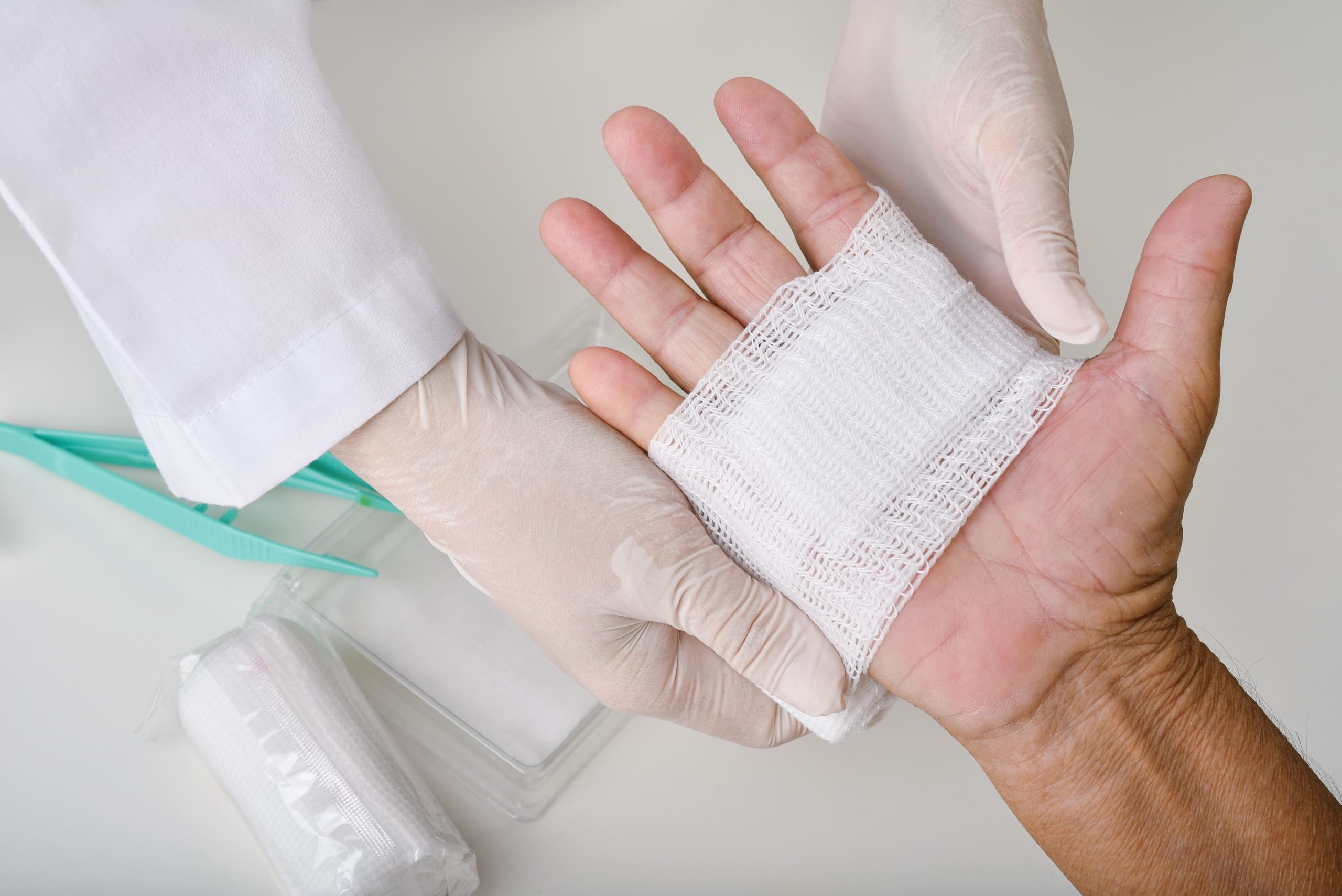
Wound Care: To prevent infection, the surgical site must be kept clean and dry. Dressings should be changed according to the surgeon’s recommendations, and any signs of infection should be reported immediately.
Swelling and Elevation: It’s advisable to keep the hand elevated above heart level as much as possible during the first few days post-surgery to minimise swelling. Ice packs can help to decrease swelling and discomfort.
The First Week: Initial Recovery Phase
The first week after trigger finger surgery sets the foundation for a successful recovery. Patients may experience varying degrees of pain, swelling, and bruising during this time, gradually improving. Here are the key focuses for this phase:
Activity Limitation: Patients are advised to limit the use of the operated hand to prevent strain on the surgical site. Light activities like writing or computer use may be resumed if comfortable, but heavy lifting or gripping should be avoided.
Pain and Swelling Management: Continuing from immediate post-operative care, managing pain and swelling remains a priority. Use pain medication as prescribed and apply ice packs to alleviate discomfort and reduce swelling.
Finger Exercises: Gentle finger exercises can improve mobility and prevent stiffness. These exercises should be performed within the limits of pain and under the guidance of a surgeon.
Monitoring for Complications: Patients should be vigilant for any signs of complications, such as increased pain, swelling, redness, or discharge from the wound site, and seek medical attention if any of these occur.
Rest and Nutrition: Adequate rest is essential for healing, as is a balanced diet rich in nutrients to support tissue repair and recovery.
Adhering to these guidelines minimises the risk of complications and paves the way for a smoother rehabilitation process in the following weeks.
Weeks 2 to 4: Rehabilitation and Physical Therapy
As patients move into the second week and beyond, the focus shifts towards more active rehabilitation and physical therapy.
Gradual Increase in Activities: Patients can gradually increase the use of their operated hand for daily activities. Balance activities with rest, avoiding any actions that cause significant pain or discomfort.
Physical Therapy Sessions: Most patients will begin physical therapy to aid in recovery. A physical therapist will design a personalised program that includes exercises to improve range of motion, strength, and flexibility.
Scar Tissue Management: Massage and scar tissue mobilisation techniques may be introduced to prevent the formation of restrictive scar tissue.
Monitoring Progress: Regular follow-up appointments with the surgeon are essential to monitor healing and adjust the rehabilitation plan as needed. Progress is typically gauged through improvements in movement, strength, and the absence of pain during activities.
Patient Education: Patients are educated on proper hand use and ergonomics to prevent future issues. This may include advice on modifying certain activities or using adaptive tools to reduce strain on the hand.
Weeks 5 to 8: Advanced Recovery and Strengthening Exercises
During this stage, the emphasis shifts to more advanced exercises to further strengthen the hand and ensure the return of full functionality.
Intensified Physical Therapy: Physical therapy sessions should continue, with exercises becoming progressively more challenging. The goal is to build strength and improve the endurance of the hand muscles.
Functional Exercises: Functional exercises mimicking daily activities, such as gripping, pinching, and fine motor skills, can help greatly. These exercises will integrate the operated hand back into routine use without discomfort or limitation.
Continuous Scar Tissue Management: As the surgical site heals, ongoing scar tissue management is important to maintain flexibility and prevent adhesions that could restrict movement. Massaging, stretching, and the use of silicone gel sheets or scar management creams are recommended.
Self-Care Practices: Patients should engage in self-care practices to support their ongoing recovery. This includes warm baths or the use of heat packs to manage any residual stiffness or discomfort.
Assessment of Recovery Progress: The surgeon will assess the patient’s recovery through physical examination and possibly functional tests to determine if additional interventions are needed.
By the end of this phase, most patients experience significant improvement in function and can perform most activities with little to no discomfort.
Long-term Care and Management
After the initial recovery and rehabilitation phases, long-term care and management are necessary for maintaining hand health and preventing recurrence or new injuries.
Patients may be advised to continue with exercises to improve hand strength, flexibility, and functionality to ensure the longevity of the surgical outcome.
While surgery typically provides a permanent solution to trigger finger, patients need to monitor for any signs of recurrence or the development of similar conditions in other fingers. Early detection and intervention can prevent the need for further surgery.
Potential Complications and How to Address Them
Complications from trigger finger surgery are rare but can occur. Potential issues include:
Infection: Increased pain, redness, swelling, or discharge at the surgical site. Treatment may involve antibiotics or, in severe cases, additional surgery.
Nerve Damage: Patients might experience unusual numbness or tingling in the operated hand. Management may include medications or physical therapy.
Stiffness: Regular exercises and physical therapy can help overcome stiffness. In some cases, corticosteroid injections or further surgery may be necessary.
Incomplete Resolution: If triggering persists, further evaluation is needed to determine the cause, which may result in additional treatment or surgery.
Conclusion
Recovery from trigger finger surgery involves a combination of surgical intervention, immediate and ongoing care, and rehabilitation. By following post-surgery guidelines, patients can achieve optimal recovery outcomes.
Maintaining open communication with the surgeon and reporting any concerns during the recovery process is essential to ensure the best possible results.