Surgery for Hand Fractures
Hand fractures encompass a range of injuries, from simple breaks to complex fractures involving multiple bones. They require meticulous care and rehabilitation to restore the hand’s strength and range of motion, and surgical intervention is often necessary for severe fractures.
The recovery journey after surgery is a crucial period that significantly affects the outcome and functionality of the hand. Understanding this process is important for patients and caregivers alike to set realistic expectations, actively participate in rehabilitation, and achieve the best possible outcome.
Immediate Post-Surgical Care
Pain Management: Patients are usually prescribed pain medication after surgery, which helps to alleviate discomfort. It’s important to communicate with the surgeon about pain levels so that the medication can be adjusted if necessary.
Wound Care: Proper surgical site care is vital to prevent infection and promote healing. Patients should keep the wound dry and clean and change dressings as instructed. The surgical team will provide guidelines on when it’s safe to start getting the wound wet.
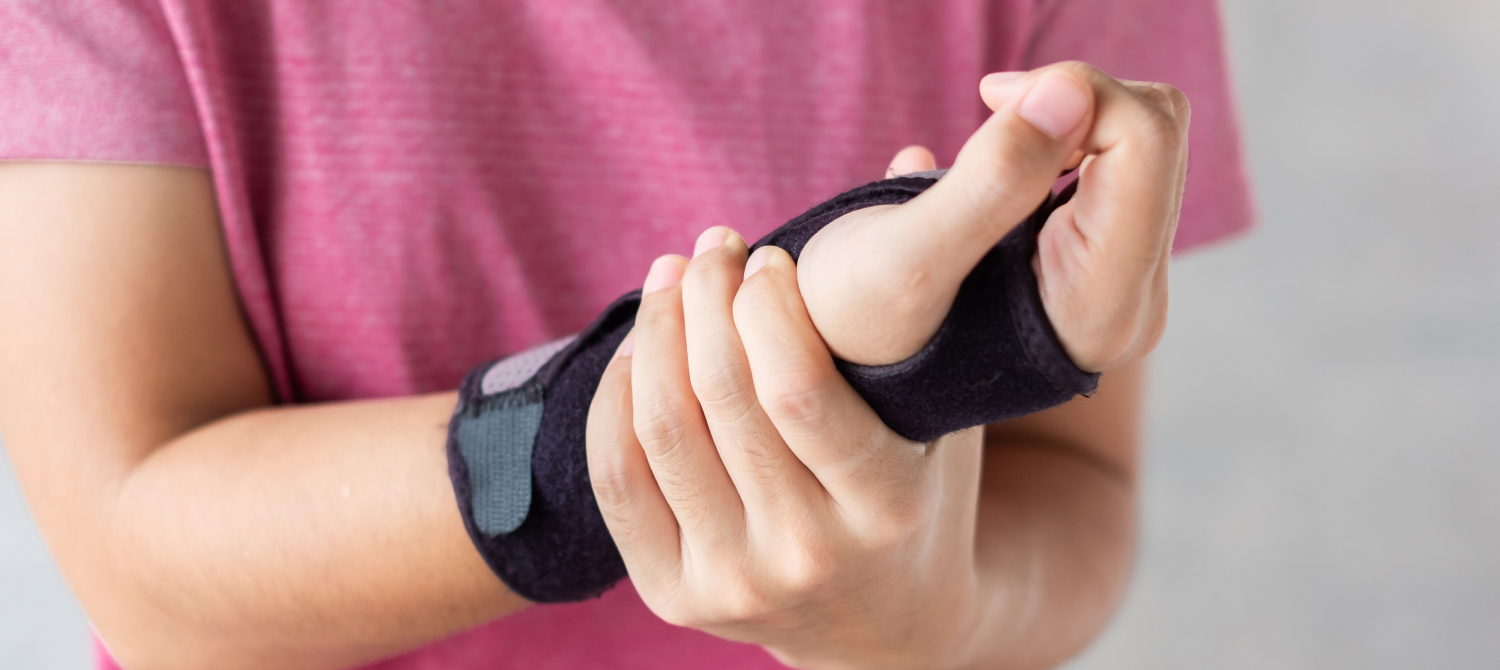
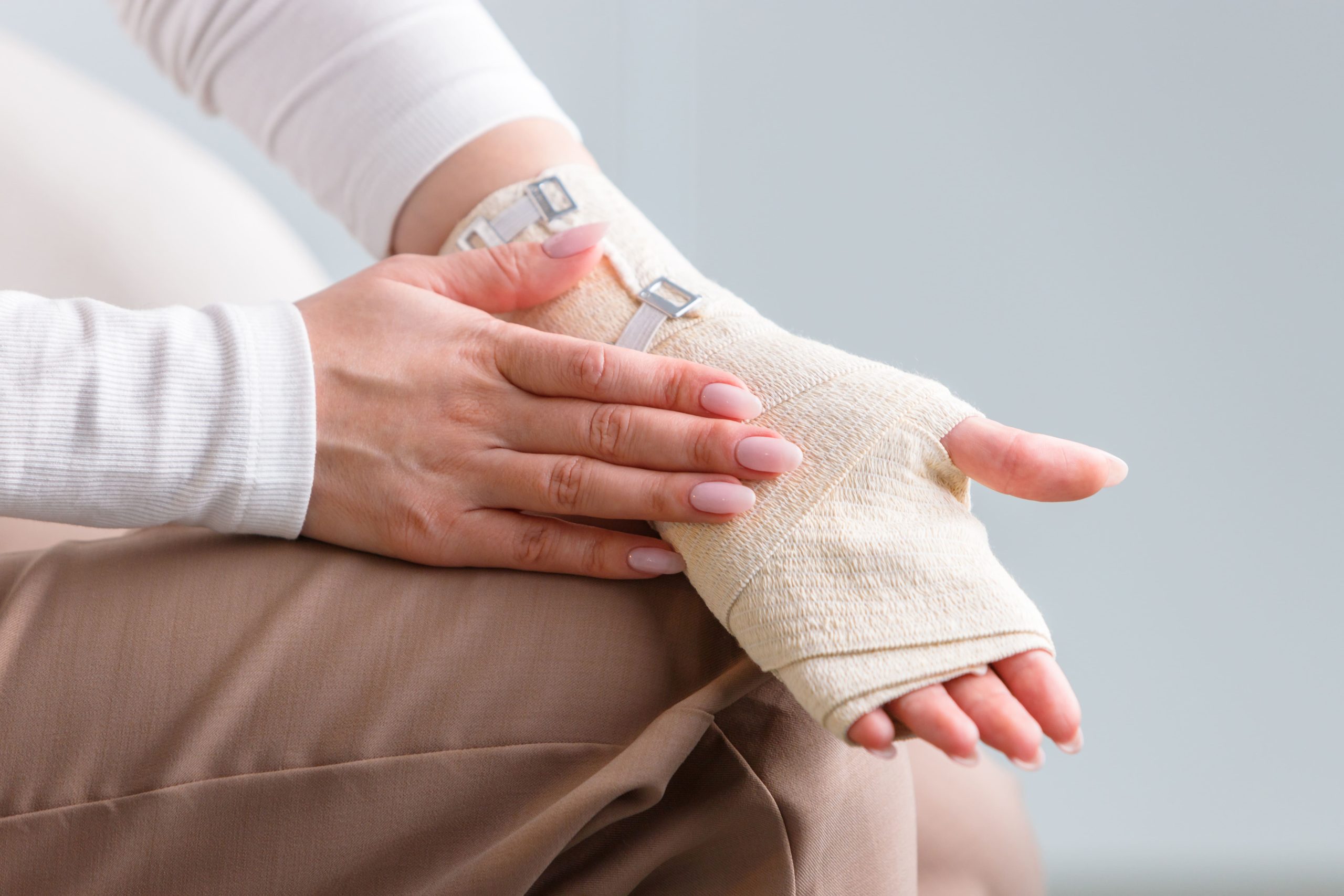
Initial Mobility and Restrictions: Immediately after surgery, the hand may be immobilised in a splint or cast to protect the repair. This is important to ensure that the bones heal in the correct alignment, but some movement may be encouraged to promote circulation and reduce stiffness in unaffected areas.
Early Recovery Phase (0-2 Weeks)
Swelling and Bruising Management:
Swelling and bruising are common in the initial weeks following surgery. Elevating the hand above the heart level can significantly reduce swelling, and applying ice packs can also help minimise inflammation.
Early Exercises and Mobilisation:
Gentle exercises may be introduced to maintain joint mobility without compromising the healing process. These exercises are meant to prevent stiffness and are typically focused on the fingers and wrist, depending on the fracture’s location and the surgery performed.
Rehabilitation Phase (2-6 Weeks)
Physical Therapy:
Physical therapy usually begins around 2 to 6 weeks post-surgery. The therapist will guide the patient through exercises designed to improve range of motion and gradually build up hand strength.
Strength and Flexibility Exercises:
During this phase, patients engage in more intensive exercises that may include the use of resistance bands or light weights to strengthen the hand muscles. Flexibility exercises, such as stretching and bending movements, can also help restore the hand’s full range of motion.
Advanced Recovery and Return to Normal Activities (6 Weeks Onwards)
Advanced Strengthening Exercises:
As the recovery progresses beyond the 6-week mark, exercises become more challenging to further enhance the hand’s strength and dexterity. This may include grip-strengthening exercises and tasks that mimic daily activities, gradually reintegrating the hand into more complex functions.
Return to Daily Activities:
The timeline for returning to daily activities varies among people, depending on the nature of their work and the complexity of the hand fracture. Tasks that involve lifting, pushing, or pulling may be introduced as strength and mobility improve.
Monitoring and Adjusting the Recovery Plan:
Regular follow-up appointments are important for monitoring the healing process and adjusting the recovery plan as needed. Imaging tests, such as X-rays, may be performed to ensure that the bones are healing correctly.
Factors Influencing Recovery Time
Age and Health Conditions:
Younger people and those without chronic health conditions generally heal faster than older adults or those with health issues that may impede healing, such as diabetes or osteoporosis.
Severity and Type of Fracture:
Severe fractures that require extensive surgical intervention have longer recovery times than simpler fractures that can be realigned with minimal surgical procedures.
Adherence to Rehabilitation Program:
The patient’s commitment to following the prescribed rehabilitation program, including attending physical therapy sessions and performing recommended exercises, is crucial for a timely and successful recovery.
Conclusion
Recovering from hand fractures after surgery requires patience, adherence to medical advice, and active participation in rehabilitation.
By understanding the recovery timeline and actively participating in their rehabilitation, patients can set realistic expectations and work towards restoring their hand function.
For people beginning this journey, it is important to remain dedicated and well-informed about each stage of the process. Proactively engage with your surgeon for guidance and support whenever necessary.