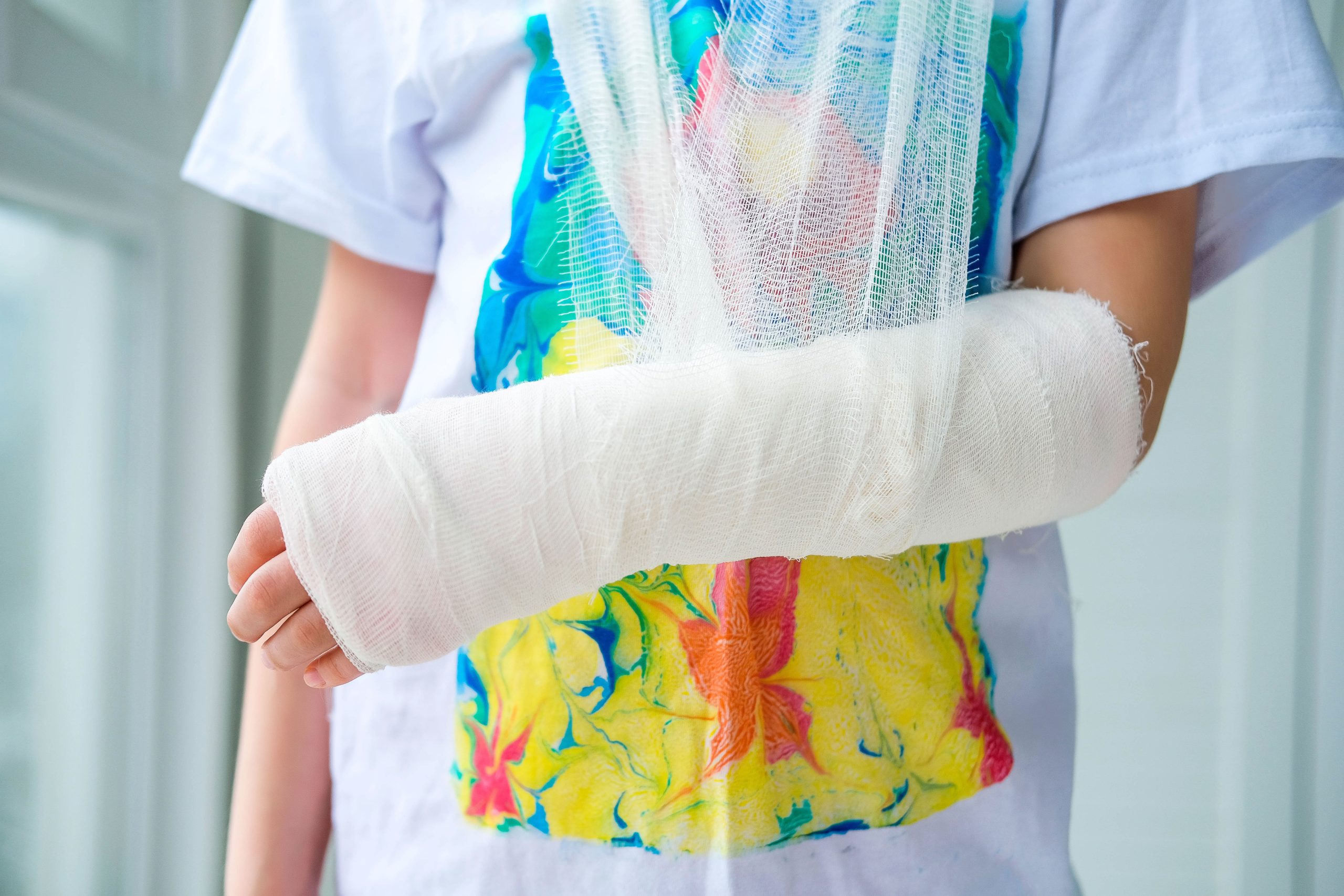

Introduction to Tennis Elbow
Tennis elbow is a condition characterised by pain and tenderness on the outside of the elbow. This discomfort arises from the overuse of the muscles and tendons in the forearm, leading to inflammation and microtears in the tendons that attach to the lateral epicondyle—the outer part of the elbow.
Tennis elbow does not solely affect tennis players. It can impact anyone who engages in activities that require repetitive arm, elbow, and wrist movements.
Causes of Tennis Elbow
Tennis elbow results from the repetitive stress and strain on the muscles and tendons around the elbow joint, particularly those that extend the wrist and fingers. Activities that can lead to this include:
Sports:
- Tennis, especially when using improper stroke technique or a racket that is too heavy.
- Other racquet sports, like squash or badminton.
Occupations:
- Painting, plumbing, carpentry, and any other profession requiring repetitive arm movements.
- Using tools that require gripping and twisting, such as screwdrivers or hammers, can also lead to tennis elbow.
Daily Activities:
- Repetitive typing on the computer.
- Any other activity that strains the forearm muscles through repetitive motion.
Note that these activities can increase the risk of developing tennis elbow, but the condition can also occur without any identifiable cause.
Symptoms of Tennis Elbow
Pain and Tenderness: The person experiences pain outside the elbow, which may also extend into the forearm and wrist.
Stiffness: There is a sensation of stiffness within the elbow joint, especially in the morning or after periods of not moving the elbow.
Weakness: The person may notice weakness in their forearm, making it challenging to perform tasks requiring gripping strength, such as opening a jar.
Reduced Mobility: It may be difficult to extend the forearm fully, and this limitation is often accompanied by pain or stiffness.
Identifying these symptoms and seeking medical consultation early can halt the progression of the condition, preventing it from becoming chronic and leading to persistent pain.
Diagnosis of Tennis Elbow
Diagnosing tennis elbow primarily involves a thorough evaluation by a medical specialist, who will review the patient’s medical history and perform a physical examination.
Medical History: The medical specialist will inquire about the onset of symptoms, any recent increase in physical activities, or participation in sports that could have contributed to the condition.
Physical Examination: The affected area will be examined to identify any tenderness or swelling. The medical specialist may also ask the patient to perform certain movements or exercises to assess pain and stiffness levels.
Imaging Tests: Imaging tests like X-rays can rule out other conditions that might cause elbow pain, such as arthritis. In some cases, MRI (magnetic resonance imaging) or ultrasound may be used to assess the extent of tendon damage.
Treatment Options for Tennis Elbow
Non-surgical treatment is often effective for tennis elbow, and it aims to relieve pain, reduce inflammation, and promote healing of the tendon.
Rest and Activity Modification: Patients should limit activities that aggravate the condition. They may also need to modify how they perform daily tasks or take a break from certain sports or work-related activities.
Medications: Nonsteroidal anti-inflammatory drugs (NSAIDs) like ibuprofen or naproxen can help manage pain and inflammation. These should be used as directed by a healthcare provider.
Physical Therapy: Physical therapists can provide exercises to strengthen and stretch the forearm muscles, improving flexibility and reducing tension in the tendons.
Brace or Splint: Wearing a brace or splint can help reduce strain on the injured tendon, providing support and allowing it to rest and heal.
Corticosteroid Injections: For severe or persistent pain, corticosteroid injections may be considered. These can provide temporary relief but are used cautiously due to potential side effects with repeated use.
Extracorporeal Shock Wave Therapy: This non-invasive treatment uses sound waves to stimulate healing in the tendon.
Surgery: Surgery is rarely necessary but may be an option for those whose symptoms do not improve with other treatments. Surgical procedures can remove damaged tissue from the tendon, allowing for healing.
Conclusion
Tennis elbow emerges as a common yet manageable condition, affecting people beyond the realm of tennis players.For people experiencing symptoms of tennis elbow, seeking prompt medical advice is essential. Early intervention can prevent the progression of the condition to chronic pain, enabling a quicker return to daily activities without discomfort. If you suspect you have tennis elbow, consult our clinic today to explore your treatment options and embark on a path to recovery.