
Types of Hand Fractures
Hand fractures are common injuries that occur when one or more bones in the hand are broken. These injuries can result from a variety of causes, including falls, sports injuries, vehicle accidents, and direct blows to the hand.
Hand fractures can be classified based on the location of the fracture, the pattern of the break, and whether the fracture involves a joint. The main types of hand fractures include:
Phalangeal Fractures:
These fractures occur in the phalanges, the bones of the fingers. They can range from simple fractures to complex, displaced fractures, where the bone fragments have moved out of position.
Metacarpal Fractures:
Metacarpal fractures affect the bones of the mid-hand and the most common one is the “boxer’s fracture,” which involves the neck of the fifth metacarpal bone.
Comminuted Fractures:
In a comminuted fracture, the bone is broken into three or more pieces. They occur due to high-impact trauma and may require surgical intervention to realign and stabilise the bone fragments.
Intra-Articular Fractures:
Intra-articular fractures involve a break that extends into the joint surface of a bone. They can disrupt the smooth surface of the joint, potentially leading to impaired movement and long-term issues such as arthritis.
Non-Surgical Treatment Options
Non-surgical treatment options for hand fractures are considered when the fracture is stable, non-displaced, or minimally displaced.
Splinting or Casting:
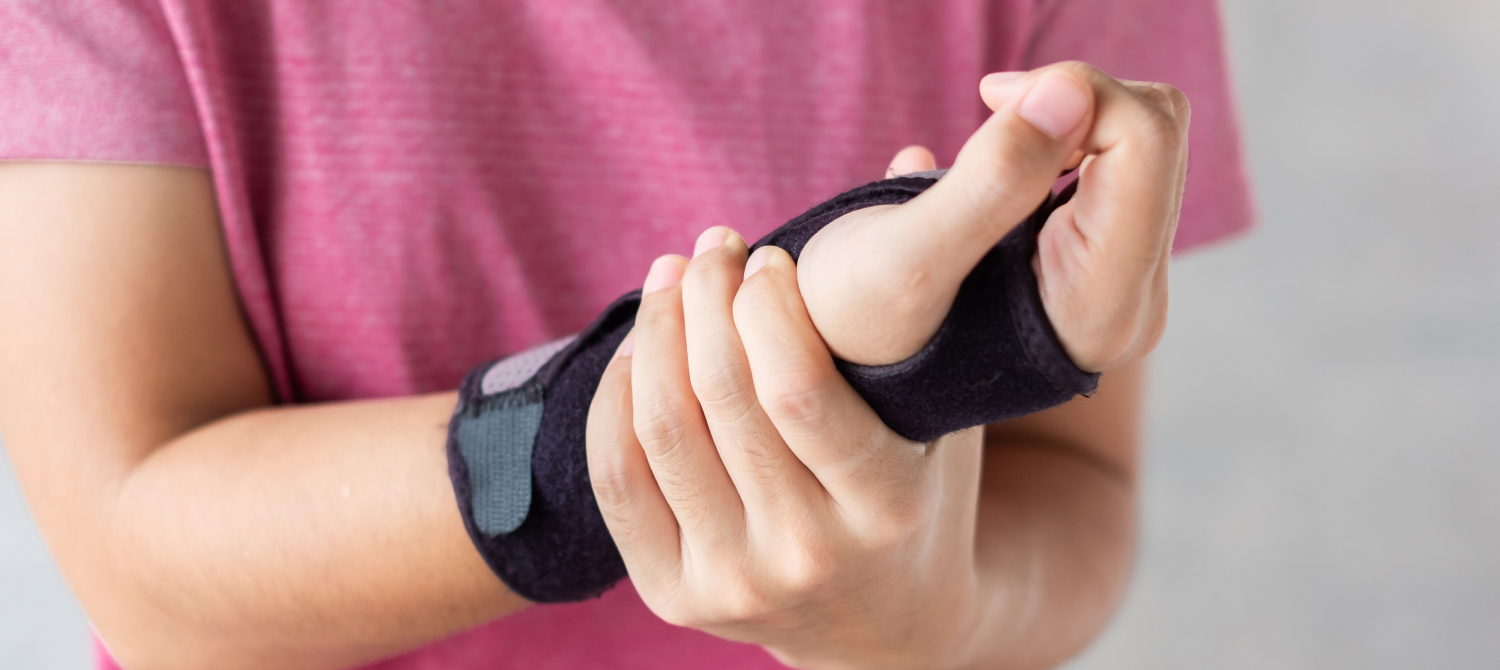
Splints or casts are commonly used to immobilise the fractured hand, keeping the bones in proper alignment during the healing process.
Buddy Taping:
For minor fractures, buddy taping – taping the injured finger to an adjacent finger – can provide sufficient support and immobilisation while allowing some degree of movement.
Medication:
Over-the-counter pain relievers, such as acetaminophen or non-steroidal anti-inflammatory drugs (NSAIDs), can be used to reduce pain and swelling.
Activity Modification:
Activities that could exacerbate the injury should be avoided. Patients are advised to follow their healthcare provider’s instructions regarding activity levels and to gradually resume normal activities as recommended.
Physical Therapy:
Once the fracture has started to heal, physical therapy may be introduced to restore movement, strength, and function to the hand. A physical therapist will tailor exercises to the individual’s needs, ensuring a safe and effective recovery process.
Surgical Treatment Options
Surgical intervention for hand fractures is considered when the fracture is displaced, unstable, or involves a joint, and when non-surgical treatments are unlikely to result in proper healing.
Open Reduction and Internal Fixation (ORIF):
ORIF is a procedure in which the surgeon makes an incision to directly access the fracture, realigns the bone fragments, and then secures them with metal hardware such as pins, screws, plates, or rods.
External Fixation:
Pins or screws, which are then connected to an external frame, are placed into the fractured bone. This method is used for severe fractures or when the skin and muscle around the fracture are badly damaged.
Bone Grafting:
In cases where there is bone loss or a significant gap between the bone fragments, bone grafting may be necessary to provide support and stimulate bone healing. Bone graft material can be taken from another part of the patient’s body or a donor.
Tendon Repair Surgery:
Tendon repair surgery aims to reattach torn tendons in the hand, and it involves suturing the ends of the tendon together through an incision.
Addressing Complications in Hand Fracture Treatment
Effective management of hand fractures includes not just treatment but also strategies to mitigate potential complications related to the treatment process.
Key areas of focus include:
Ensuring Proper Bone Healing:
Adherence to the treatment plan is crucial for ensuring complete healing. Regular imaging tests may be utilised to monitor the healing process.
Preventing Infection:
In the case of surgical treatment or open fractures, rigorous infection control practices are essential to prevent wound infections. This includes the use of antibiotics and sterile surgical techniques.
Maintaining Joint Mobility and Reducing Stiffness:
Incorporating early mobilisation and physical therapy into the treatment plan helps prevent stiffness and loss of mobility.
Reducing the Risk of Post-Traumatic Osteoarthritis:
In fractures involving joint surfaces, precise alignment and stabilisation of the fracture are vital to minimise the risk of osteoarthritis. This may involve surgical intervention to ensure the joint surface is as smooth and congruent as possible.
Conclusion
The effective treatment of hand fractures encompasses a multifaceted approach, incorporating accurate diagnosis and appropriate selection between non-surgical and surgical options.
The collaboration between patients, healthcare providers, and therapists is essential in navigating the recovery process and achieving the best possible functional results.
If you or someone you know is dealing with a hand fracture and needs expert care, we invite you to visit our clinic for a consultation. Contact us today to schedule your appointment and take the first step towards recovery.