
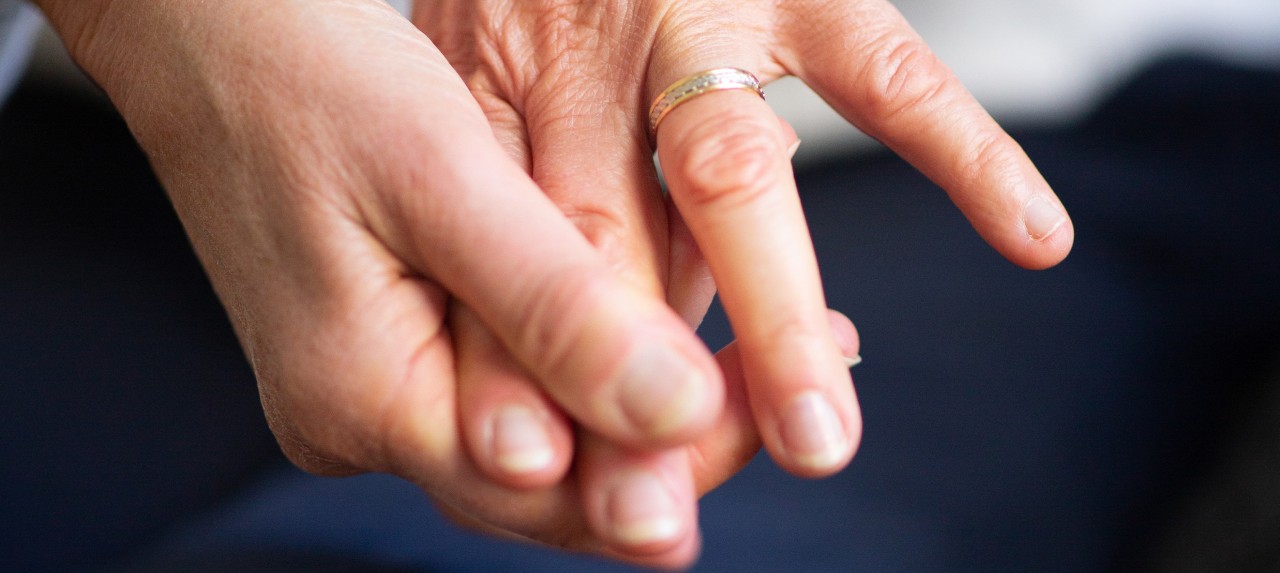
What is Trigger Finger?
Trigger finger, clinically known as stenosing tenosynovitis, is a condition that affects the tendons in the fingers or thumb, leading to pain, stiffness, and a sensation of locking when the finger is bent and straightened. Though it can occur in any of the fingers or the thumb, it most commonly affects the ring finger and thumb.
It occurs when inflammation narrows the space within the sheath surrounding the affected finger’s tendon. When the tendon becomes irritated and swollen, it can lead to difficulties in tendon gliding, causing the finger to catch or lock in a bent position.
Who It Affects
Trigger finger is more commonly observed in certain groups and under specific conditions:
Age and Gender: Trigger finger is more commonly diagnosed in people between the ages of 40 and 60. Women are also more likely to develop the condition than men.
Occupational and Recreational Activities: Individuals engaged in professions or hobbies that require repetitive gripping or extensive use of the hands are more likely to develop this condition. Examples include musicians, farmers, industrial workers, and athletes.
Medical Conditions: There is a higher incidence among people with diabetes, rheumatoid arthritis, and gout due to the systemic effects of these conditions on tendons and their sheaths.
Causes of Trigger Finger
Trigger finger is primarily caused by inflammation and narrowing of the tendon sheath, leading to impaired tendon movement. Several factors contribute to the development of this condition:
Repetitive Motion and Overuse: Frequent repetitive movements or forceful use of the finger or thumb can lead to irritation and swelling of the tendon sheath.
Anatomical Variations: Differences in hand or tendon anatomy may make some individuals more prone to experiencing tendon irritation and consequent narrowing of the tendon sheath.
Ageing Process: The natural ageing process can result in wear and tear on the tendons and their sheaths.
Hormonal Changes: Hormonal fluctuations, particularly in women during pregnancy or menopause, can increase the risk of trigger finger due to changes in fluid retention and tissue elasticity.
Medical Conditions: Health issues such as diabetes and rheumatoid arthritis are associated with an increased risk of trigger finger.
These factors can individually or collectively lead to the development of trigger finger. It is often a combination of repetitive strain and underlying health conditions that triggers the onset of symptoms.
Symptoms
Stiffness: The affected finger often feels stiff, particularly in the morning. It can gradually decrease with movement throughout the day.
Popping or Clicking Sensation: This is experienced when moving the finger or thumb, due to the tendon slipping through the narrowed sheath.
Tenderness or Pain: Pain may be felt at the base of the affected finger or thumb, especially when pressed or moved.
Nodule Formation: A small lump may form at the base of the affected finger, representing the thickened area of the tendon.
Locked Finger: In severe cases, the finger may become locked in a bent position and might need gentle pressure or manipulation to straighten.
Diagnosis of Trigger Finger
Diagnosing trigger finger involves a physical examination and a review of the patient’s medical history.
Physical Examination: A healthcare provider will examine the hand for tenderness, swelling, nodules, and the ability to move the affected finger or thumb.
Functionality Tests: The patient may be asked to flex and extend their fingers to assess the smoothness of movement.
Medical History Review: Information about the patient’s occupation, activities, and any previous hand injuries or conditions will be considered to identify potential causes.
Imaging tests are rarely required for diagnosing trigger finger unless there is a need to rule out other conditions or complications.
Treatment Options
Non-surgical treatment options are often considered as the first line of management. If this does not work, or if the condition is more severe, surgical intervention may be considered.
Examples of non-surgical treatments:
Rest and Activity Modification: Avoid activities that exacerbate the condition to reduce inflammation and pain.
Splinting: Wear a splint to keep the affected finger or thumb in an extended position and help rest the tendon.
Steroid Injections: Corticosteroid injections into the tendon sheath can reduce inflammation and improve finger movement in many cases.
Physical Therapy: Exercises designed to stretch and strengthen the finger can improve the range of motion and reduce symptoms.
Examples of surgical treatments:
Open Surgery: A small incision is made in the palm or finger to cut open the constricted part of the tendon sheath, allowing the tendon to glide more freely.
Percutaneous Trigger Finger Release: A needle-like instrument is used to break apart the constricted area of the tendon sheath. This method often results in quicker recovery and less scarring compared to more invasive surgeries.
Ultrasound-Guided Trigger Finger Release: Ultrasound imaging provides precise identification of the constricted section in the tendon sheath, enabling a more accurate and focused release.
The choice of treatment depends on the duration and severity of symptoms, the presence of any underlying conditions, and the patient’s overall health and activity level.
Conclusion
With timely and appropriate care, individuals suffering from trigger finger can return to normal function and activity. Understanding the symptoms, risk factors, and treatment options are important for addressing this condition effectively.
Early diagnosis and intervention can significantly enhance outcomes, reducing the likelihood of long-term complications and facilitating a quicker return to everyday activities.
Our clinic is dedicated to providing expert care for individuals suffering from trigger finger, offering a range of services from diagnosis to personalised treatment plans, including both non-surgical and surgical options.
If you are experiencing symptoms of trigger finger, we encourage you to schedule a consultation with our MOH-accredited hand surgeon today.