What Is Trigger Finger?
Trigger finger is characterised by pain, stiffness, and a sensation of locking or catching when bending and straightening the finger.
It is officially known as stenosing tenosynovitis and involves the fingers or thumb tendons that are vital for finger movement. An integral part of managing the trigger finger is understanding its grading system, which classifies the severity of the condition from mild to severe.
Grades of Trigger Finger
The grading system for trigger finger ranges from Grade I to Grade IV, each reflecting the progression of the condition and its impact on finger mobility.
Grade I: Pre-Stenotic Stage
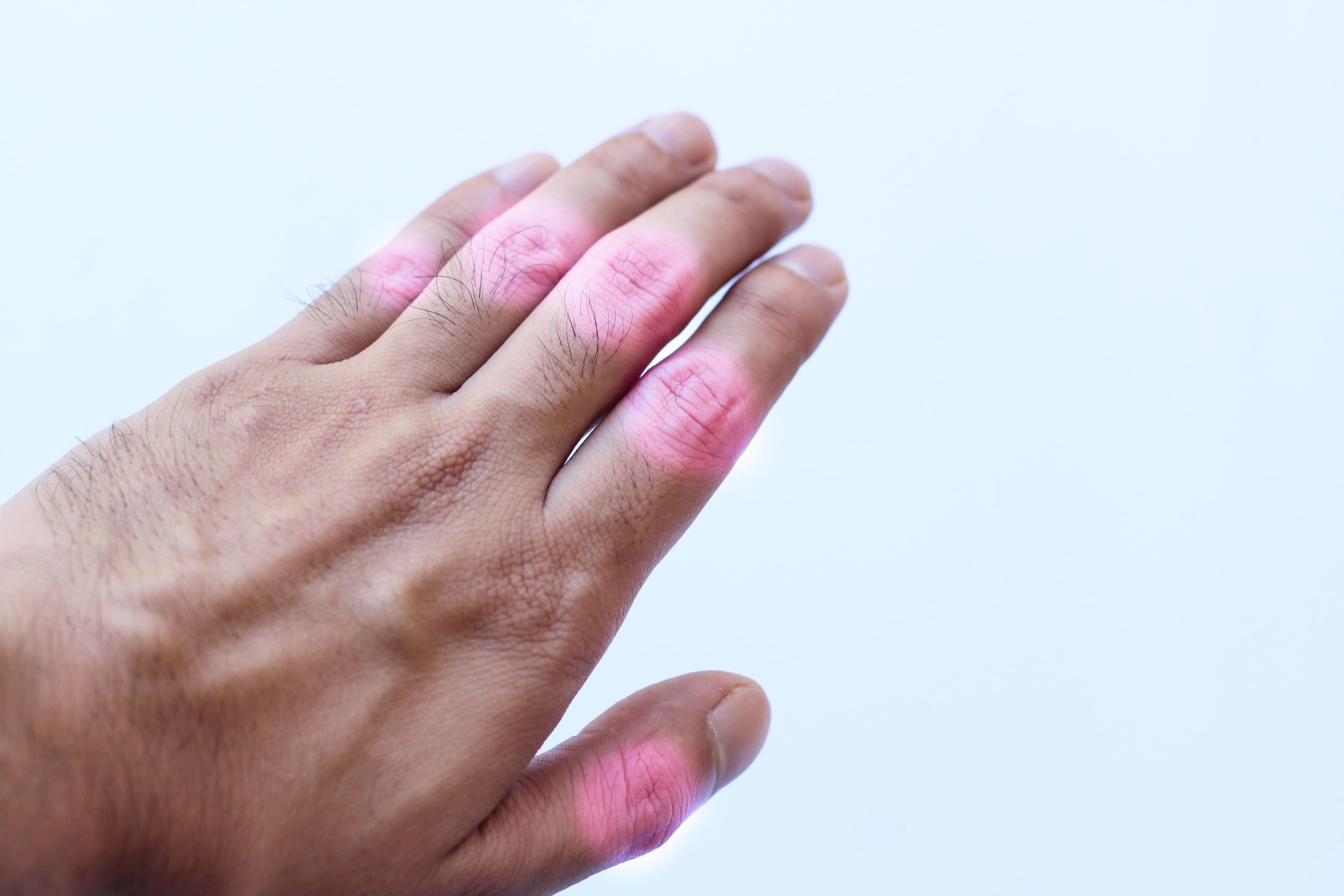
Symptoms: The initial stage is marked by discomfort at the base of the finger or thumb, particularly where the finger joins the palm. People may experience tenderness and slight swelling, but no locking of the finger occurs at this grade.
Mobility: Despite the discomfort, the range of motion for the finger remains unaffected.
Grade II: Active Stenotic Stage
Symptoms: At this stage, people start to notice the sensation of catching or locking during finger movement, along with pain and noticeable stiffness.
Mobility: The affected finger can still be straightened or bent with some effort, but there is certainly discomfort when doing so.
Grade III: Passive Stenotic Stage
Grade III is subdivided into two stages: IIIA and IIIB, signifying the increased severity within this grade.
Grade IIIA: Passive Correction
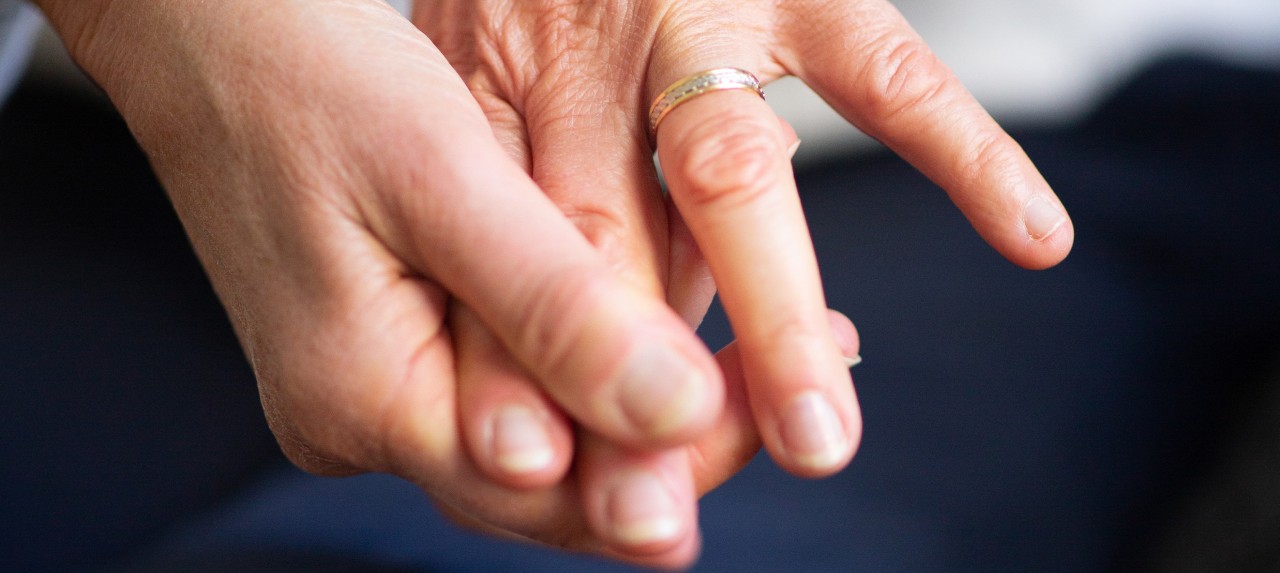
Symptoms: The finger becomes locked in a bent position more frequently and requires assistance from the opposite hand to straighten.
Mobility: While the finger can still achieve full extension with help, doing so is increasingly painful and difficult.
Grade IIIB: Fixed Contracture
Symptoms: Persistent locking results in a fixed bent position of the finger, with significant impairment in function
Mobility: The affected finger cannot achieve full extension, even with external assistance, leading to a permanent bent posture.
Grade IV: Rigid Contracture
Symptoms: The most severe stage is characterised by a rigid contracture of the finger in the bent position without the possibility of extension. Pain may vary, but the loss of function is significant.
Mobility: There is a complete loss of finger extension capability, making surgical intervention almost invariably necessary to restore functionality.
Diagnosis of Trigger Finger
Diagnosis of the trigger finger involves a clinical examination, with the grading system playing an important role in determining the specific stage of the condition.
Clinical Examination
History Taking: The process begins with a detailed history of the symptoms, focusing on the onset of pain, stiffness, and any instances of finger locking or catching.
Physical Assessment: The examiner will palpate the affected finger’s palm area to identify any nodules or tenderness, indicative of Grade I or II. The ability or inability to straighten the finger manually helps in differentiating between Grades II, III, and IV.
Imaging Tests
While not routinely required, imaging tests like ultrasound or MRI may be utilised in ambiguous cases to confirm the diagnosis or rule out other conditions.
Treatment Options for Each Grade
Treatment for trigger finger varies depending on the grade of the condition, with options ranging from conservative to surgical interventions.
Grade I – Conservative Treatments: Include rest, activity modification, splinting, NSAIDs, and possibly steroid injections to reduce inflammation.
Grade II – Enhanced Conservative Treatments: Maintain initial Grade I treatments while emphasising steroid injections and introducing physical therapy to improve mobility.
Grade IIIA – Intervention Strategy: Focus on stretching and strengthening exercises. Treatment may escalate to include more frequent steroid injections and a dedicated physical therapy regimen to improve mobility.
Grade IIIB – Surgical Intervention: Surgery becomes essential for resolving the contracture by either cutting the constricted section or removing parts of the tendon sheath to facilitate movement.
Grade IV – Surgical Treatment: Surgical intervention is mandatory, which may include advanced procedures to release or reconstruct the affected tendons.
Conclusion
From the initial discomfort and stiffness in Grade I to the significant functional impairment seen in Grade IV, each stage of the trigger finger requires a tailored approach to management.
Early detection and intervention can prevent the condition from advancing to more severe stages, emphasising the importance of seeking medical advice when symptoms first appear. If you are experiencing symptoms of a trigger finger, we encourage you to contact our clinic today for a comprehensive diagnosis and personalised treatment plan.