
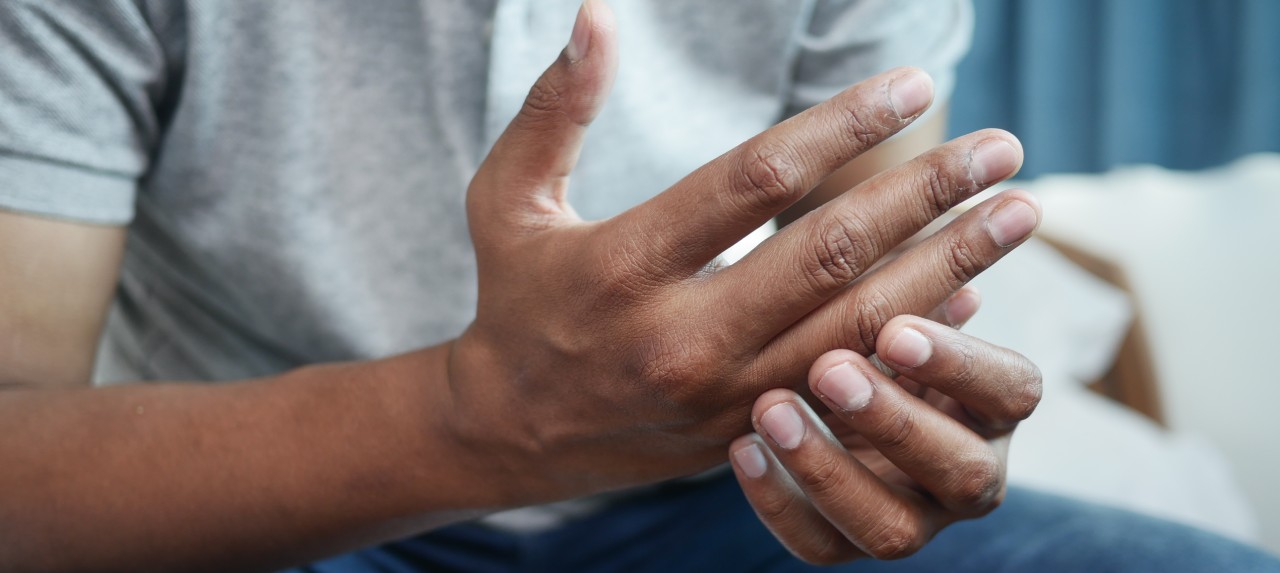
Understanding the Causes of Trigger Finger
Trigger finger is a condition that affects the tendons in the fingers or thumb, leading to pain and stiffness.
The primary cause of this is the inflammation of the tendons that flex the fingers, which narrows and constricts the tendon sheath. This hinders the smooth movement of the tendon, resulting in a locking sensation when the finger is bent or straightened.
Several factors can increase the risk of developing this condition:
Repetitive Motion: Frequent and prolonged use of the fingers in activities that involve repetitive gripping, pressing, or bending can increase the risk of trigger finger.
Medical Conditions: Individuals with specific health issues, such as diabetes, rheumatoid arthritis, gout, and hypothyroidism, are at a higher risk of developing trigger finger.
Age and Gender: Trigger finger is more commonly diagnosed in people between the ages of 40 and 60. Women are also more likely to develop the condition than men.
Non-Surgical Treatment Options
After an individual has been diagnosed with trigger finger, non-surgical treatment options are often considered as the first line of management.
Rest and Activity Modification
Avoiding activities that require repetitive gripping or use of the affected finger can help reduce inflammation and pain. It is beneficial to take breaks during tasks that involve prolonged use of the hand or to modify how certain activities are performed to alleviate stress on the finger.
Splinting
Wearing a splint on the affected finger can help to keep it in an extended position, reducing the tendon’s irritation and decreasing inflammation. Splinting is particularly effective at night to prevent the finger from locking while sleeping.
Steroid Injections
Corticosteroid injections are commonly used to treat trigger finger in the early stages of the condition. These injections reduce inflammation within the tendon sheath, allowing for smoother tendon movement.
Physical Therapy
Physical therapists may employ techniques such as stretching, strengthening exercises, and massage therapy to reduce stiffness and improve finger movement. Therapy aims to increase the range of motion and reduce pain without exacerbating the condition.
Surgical Treatment Options
When non-surgical treatment options do not provide adequate relief, or if the condition is more severe, surgical intervention may be considered. Surgery aims to permanently resolve the catching or locking of the finger and the decision to proceed with surgery is only made after a thorough assessment of the patient’s symptoms and the impact of the condition on the patient’s quality of life.
Open Trigger Finger Release Surgery
This is the most common method and is performed under local anaesthesia. It involves making a small incision in the palm or finger to cut open the constricted part of the tendon sheath, allowing the tendon to glide more freely.
Percutaneous Trigger Finger Release
Percutaneous trigger finger release uses a needle-like instrument to break apart the constricted area of the tendon sheath. This method often results in quicker recovery and less scarring compared to more invasive surgeries.
Endoscopic Trigger Finger Release
This process involves utilising a small camera (endoscope) to guide the surgery. Patients usually have a fast recovery and minimal scarring, making it a preferred option for many who are seeking a less invasive treatment.
Ultrasound-Guided Trigger Finger Release
Ultrasound imaging can assist surgeons during the trigger finger release procedure. Real-time imaging provides precise identification of the constricted section in the tendon sheath, enabling a more accurate and focused release.
Paediatric Trigger Finger Release
In cases where paediatric patients do not respond to non-surgical treatments, surgical intervention may be required. The surgical approach for children mirrors that in adults, focusing on releasing the constricted tendon sheath to restore normal finger mobility.
Post-Treatment Care and Rehabilitation
After surgery, patients may need to engage in gentle hand and finger exercises to prevent stiffness and promote healing. Physical therapy can help to regain strength and flexibility.
Patients must adhere to their surgeon’s post-operative care instructions to ensure a successful recovery.
Conclusion
Trigger finger can significantly impact an individual’s daily life, causing pain, discomfort, and difficulty in performing routine tasks. While non-surgical treatments offer relief for many, surgical interventions may be necessary for those with severe symptoms or for whom conservative measures have been ineffective.
Choosing the right treatment option depends on various factors, including the severity of the condition, the patient’s overall health, and their lifestyle needs.
If you are experiencing symptoms of trigger finger, we encourage you to contact our trigger finger specialist to get a detailed consultation & explore suitable treatment options. We can provide the support and expertise needed to restore your hand’s function and mobility.